
Queensland Solar Feed-in Tariffs Drop in 2026: Why Storing Solar is the New Strategy
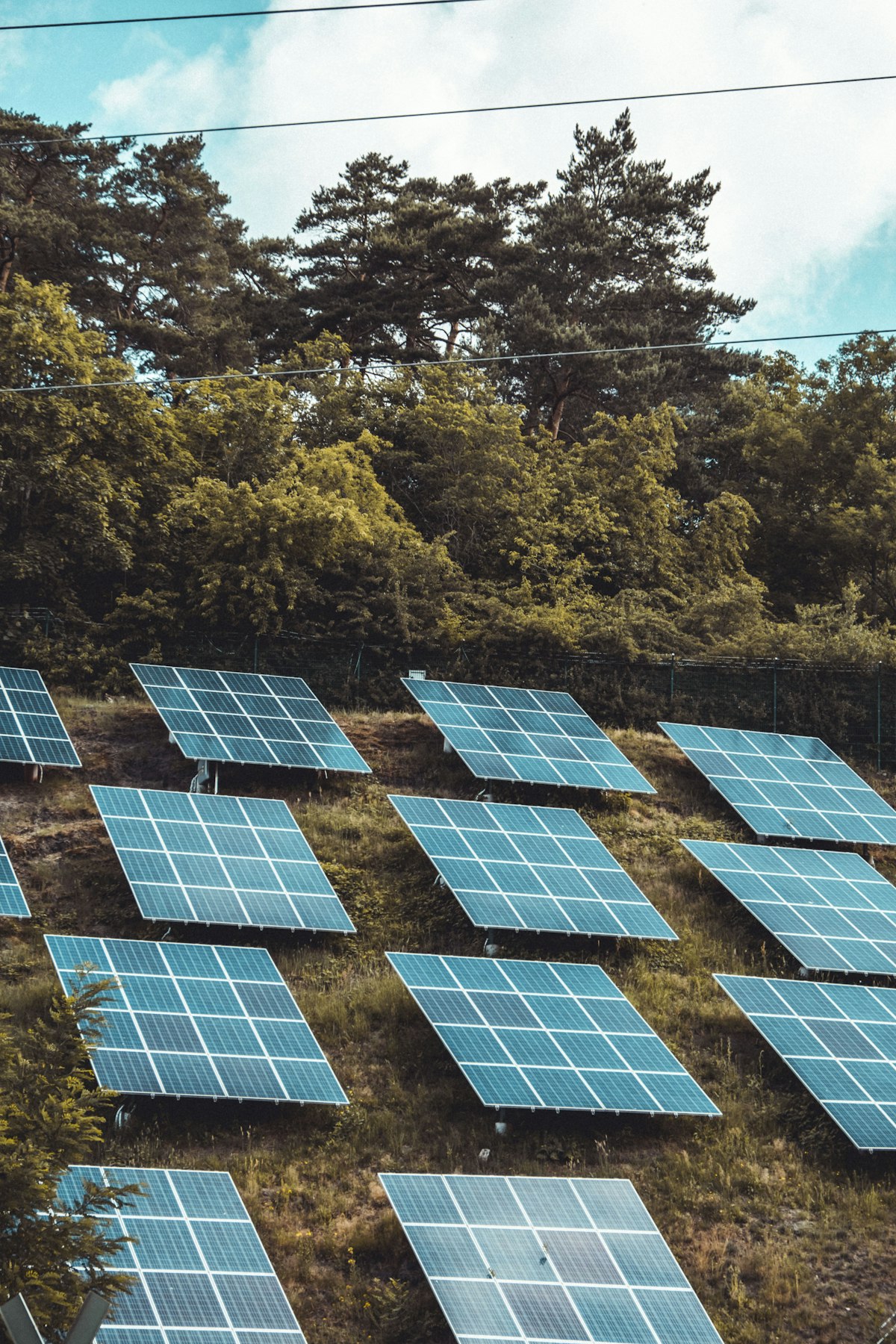
If you own a solar system in Queensland, the rules of the game are changing. For years, the standard approach to solar was simple: generate as much power as possible during the day, export the excess back to the grid, and let the feed-in tariff credits offset your evening electricity usage. However, looking ahead to the second half of 2026, that strategy is no longer the most effective way to save money. With significant drops in feed-in tariffs across both regional Queensland and the South East, homeowners in Mackay and the Sunshine Coast need to rethink how they manage their solar energy.
The 2026 Feed-in Tariff Reductions Explained
The rate you are paid for exporting solar power to the grid is known as a feed-in tariff (FiT). Recently, the Queensland Competition Authority (QCA) confirmed that these rates are taking a substantial hit. For customers on the Ergon Energy network in regional Queensland — which covers Mackay and surrounding areas — the flat-rate solar feed-in tariff is set to drop from 8.66 cents per kWh down to approximately 6.0 cents per kWh from 1 July 2026. This represents a reduction of nearly 30% in a single year.
In South East Queensland on the Energex network, which covers the Sunshine Coast and Brisbane, feed-in tariffs are set by competitive retailers rather than the government. Due to the massive influx of daytime solar power flooding the National Electricity Market (NEM), wholesale electricity prices in the middle of the day often drop to zero or even become negative. As a result, retailers are slashing the rates they pay for your exported solar, with many standard offers now hovering between 3 and 5 cents per kWh.
The Problem with the Export Strategy
The widening gap between what you are paid for your solar and what you pay to buy power back from the grid is the core issue facing Queensland solar owners in 2026. Imagine your solar system generates an excess of 15 kWh during a sunny Queensland day. Under the new 2026 regional rates, exporting that power will earn you about 90 cents in credits.
However, when the sun goes down and your family turns on the air conditioning, the oven, and the television, you are forced to buy power from the grid at peak retail rates, which can easily exceed 30 to 40 cents per kWh. Essentially, you are selling your high-quality solar energy for pennies and buying it back hours later at a massive premium. This imbalance means that simply exporting power is no longer a sufficient strategy to eliminate your electricity bill, no matter how large your solar system is.
The Solution: Store Your Solar Energy
The most effective response to falling feed-in tariffs is to stop acting as a cheap supplier for the energy grid and start keeping your power for yourself. This is where a home solar battery becomes invaluable. By installing a battery, you can capture that excess daytime solar and store it safely at your home. When the evening peak arrives, your house seamlessly switches to drawing power from the battery rather than the grid.
This strategy, often referred to as "solar soaking," allows you to completely bypass the expensive evening retail rates. Instead of earning a meagre 6 cents per kWh for exporting, you are saving 30 to 40 cents per kWh by not having to purchase grid power. The financial return on storing your energy is vastly superior to exporting it, and the difference will only grow as feed-in tariffs continue to decline in coming years.
Maximising Your Return on Investment (ROI)
Adding a battery to your solar setup dramatically shortens your Return on Investment in the current energy landscape. Not only do you protect yourself from peak grid pricing every single evening, but you also gain energy independence and security against future electricity price hikes. The more you can shift your consumption away from the grid and onto your own stored solar, the faster your system pays for itself.
Furthermore, the Australian Government's Cheaper Home Batteries Program makes the transition to storage highly affordable in 2026. This federal initiative provides an upfront discount of approximately 30% — around $311 per usable kWh — on the cost of installing a new eligible battery. For a standard 10 kWh battery, this translates to a saving of approximately $3,110 off the upfront purchase price. For homeowners in Mackay and on the Sunshine Coast, this combination of lower upfront costs and higher daily savings makes battery storage the definitive smart choice for 2026.
Take Control of Your Energy with Snap Solar
The era of relying on feed-in tariffs to pay your power bill is ending. To get the most value out of your solar investment in 2026 and beyond, you need to use the power you generate rather than selling it cheaply to the grid.
At Snap Solar, we specialise in designing and installing high-performance solar and battery systems tailored specifically for Queensland homes. Whether you need to upgrade your existing solar setup with a new battery or install a complete hybrid system from scratch, our local experts in Mackay and the Sunshine Coast are here to help. We understand the specific energy needs of Queensland homeowners — from the intense summer heat to the coastal humidity — and we ensure every system we install is built to deliver maximum savings and reliability for the long term.
Stop selling your power for pennies. Store it, use it, and take control of your energy bills today.
Snap Solar Editorial Team
Expert insights and local solar advice from Queensland's trusted installation specialists. Serving Mackay, the Sunshine Coast, and beyond.
